Buying guide
Best Golf Practice Gear on Amazon in 2026
The best Amazon golf practice gear for tempo, putting, home nets, launch data, hitting surfaces, and more useful repetitions—with honest limits for every pick.
- 10picks
- 9.1top score
- 14min read
- Aug 3, 2026updated
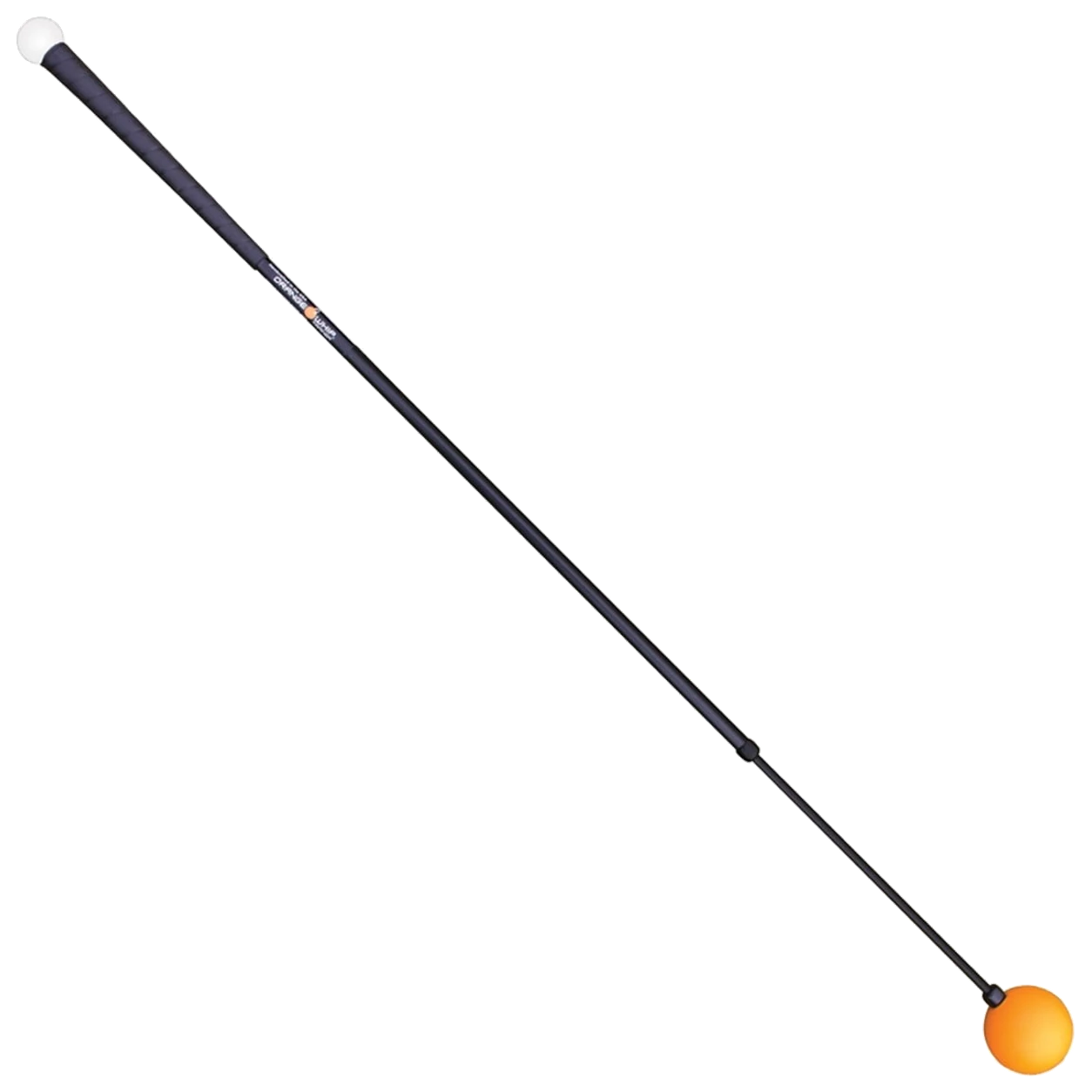 Best premium tempo trainer Orange Whip Golf Swing Trainer 8.6GolfTested score
 The short answer
Our picks, and who each one is for
Best premium tempo trainer8.6score
Orange Whip Golf Swing Trainer
A feel-first swing trainer for golfers who get quick or lose balance.
Best for Golfers who get quick in transition, lose balance, or want a repeatable five-minute warm-up before practice and play.
Skip if You need measured swing-speed feedback, ball-flight data, or a coach to identify a specific technical fault.
-
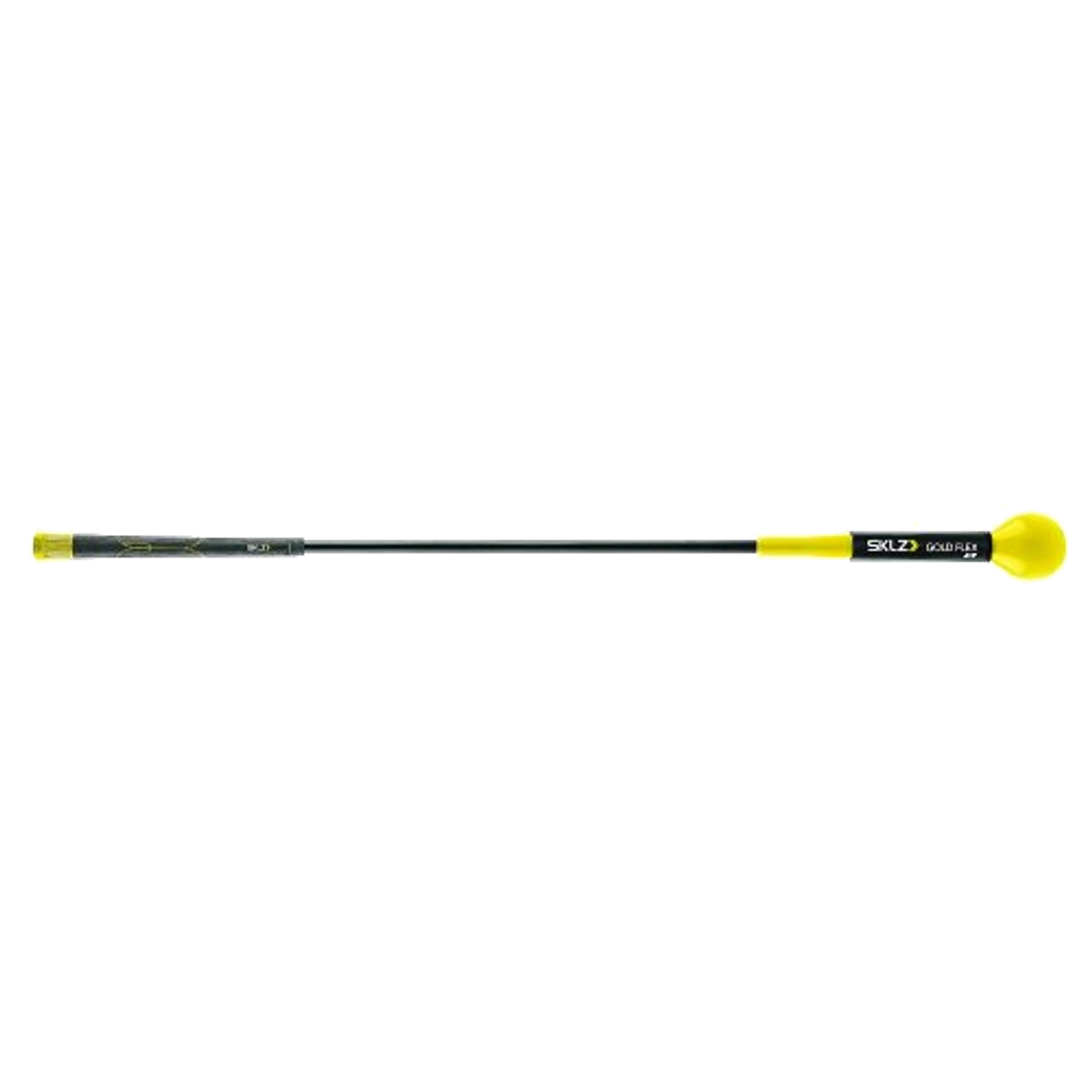
Best value warm-up tool8.4score
SKLZ Gold Flex Golf Swing Trainer
A compact, inexpensive way to rehearse a smoother tempo before practice.
-
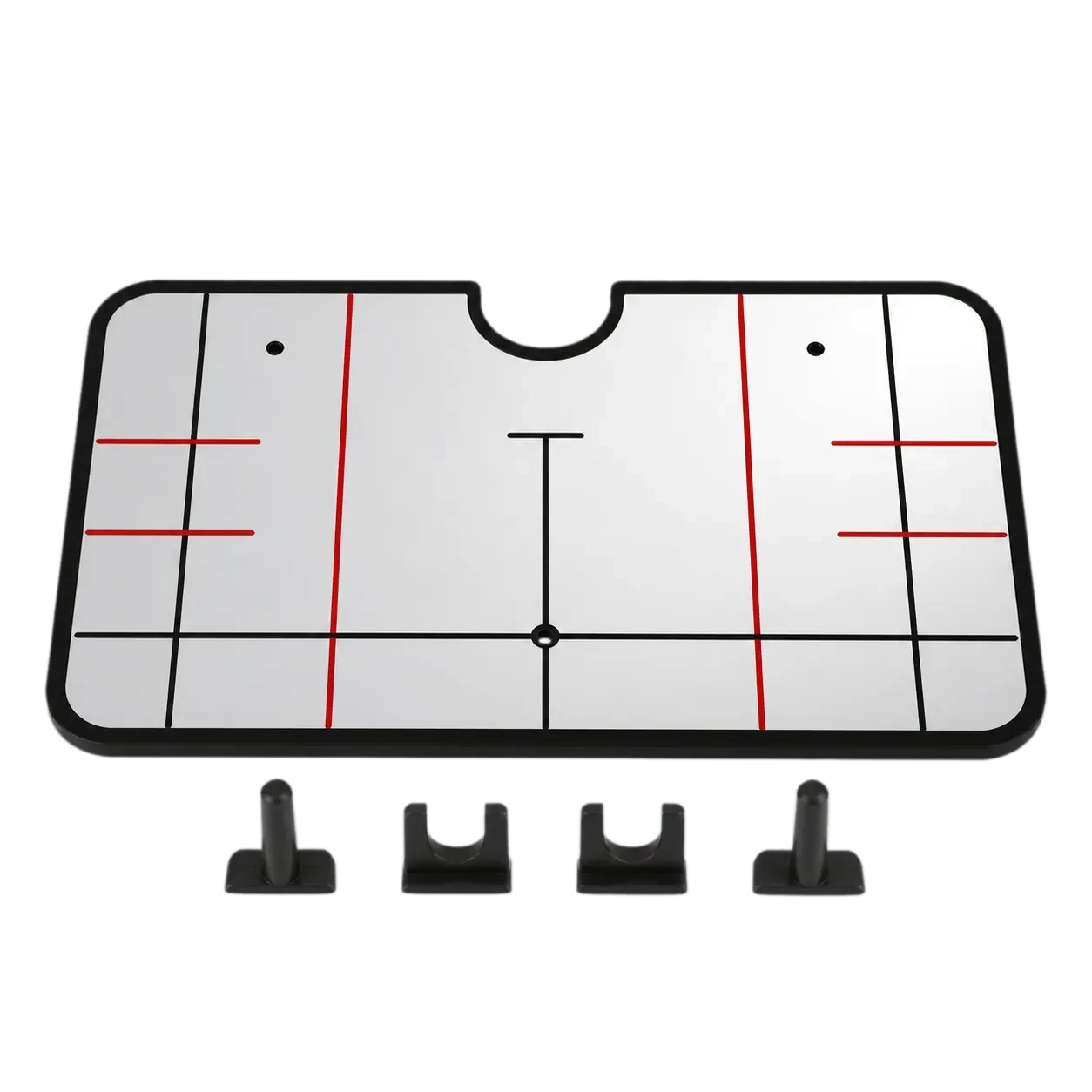
Best putting alignment feedback8.2score
Putting Mirror Pro Kit
A simple visual check for eye line, face angle, and start-line practice.
-
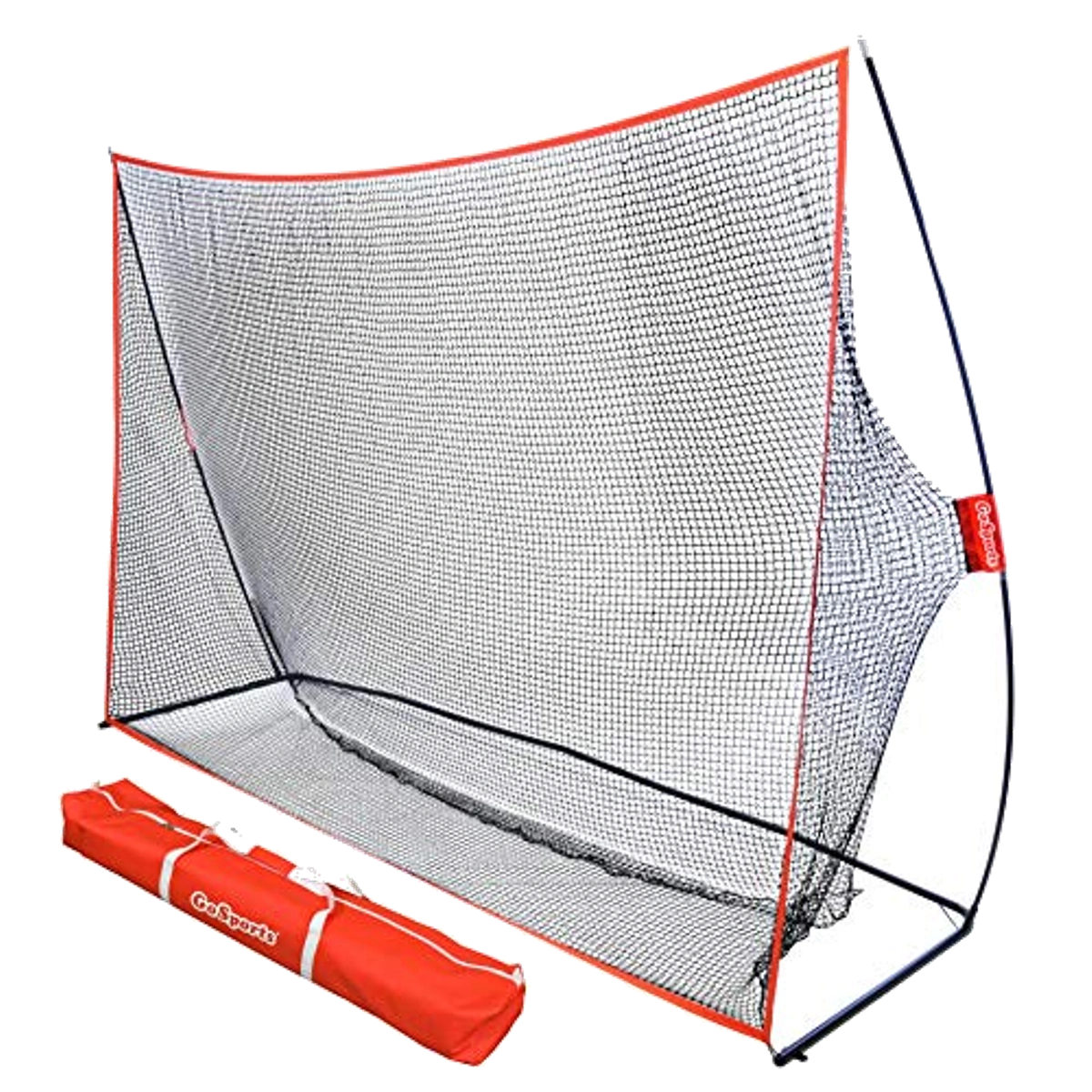
Best home hitting net value8.3score
GoSports Golf Practice Net
A large target for convenient repetitions when the space is safe and well anchored.
-
Best budget launch monitor8.4score
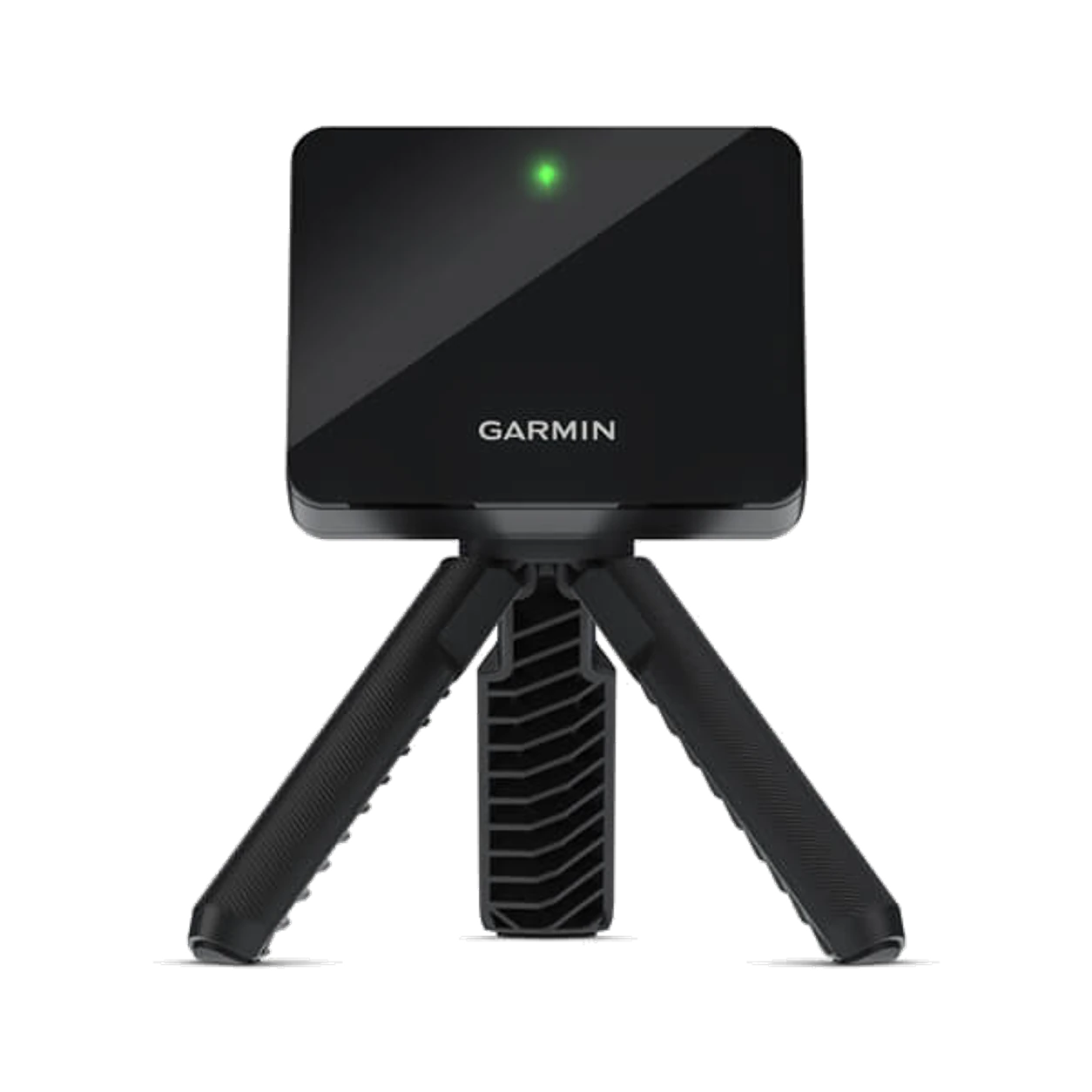
Garmin Approach R10
Portable range and simulator data for golfers who want trends without a four-figure setup.
-
Best home-practice data upgrade8.9score
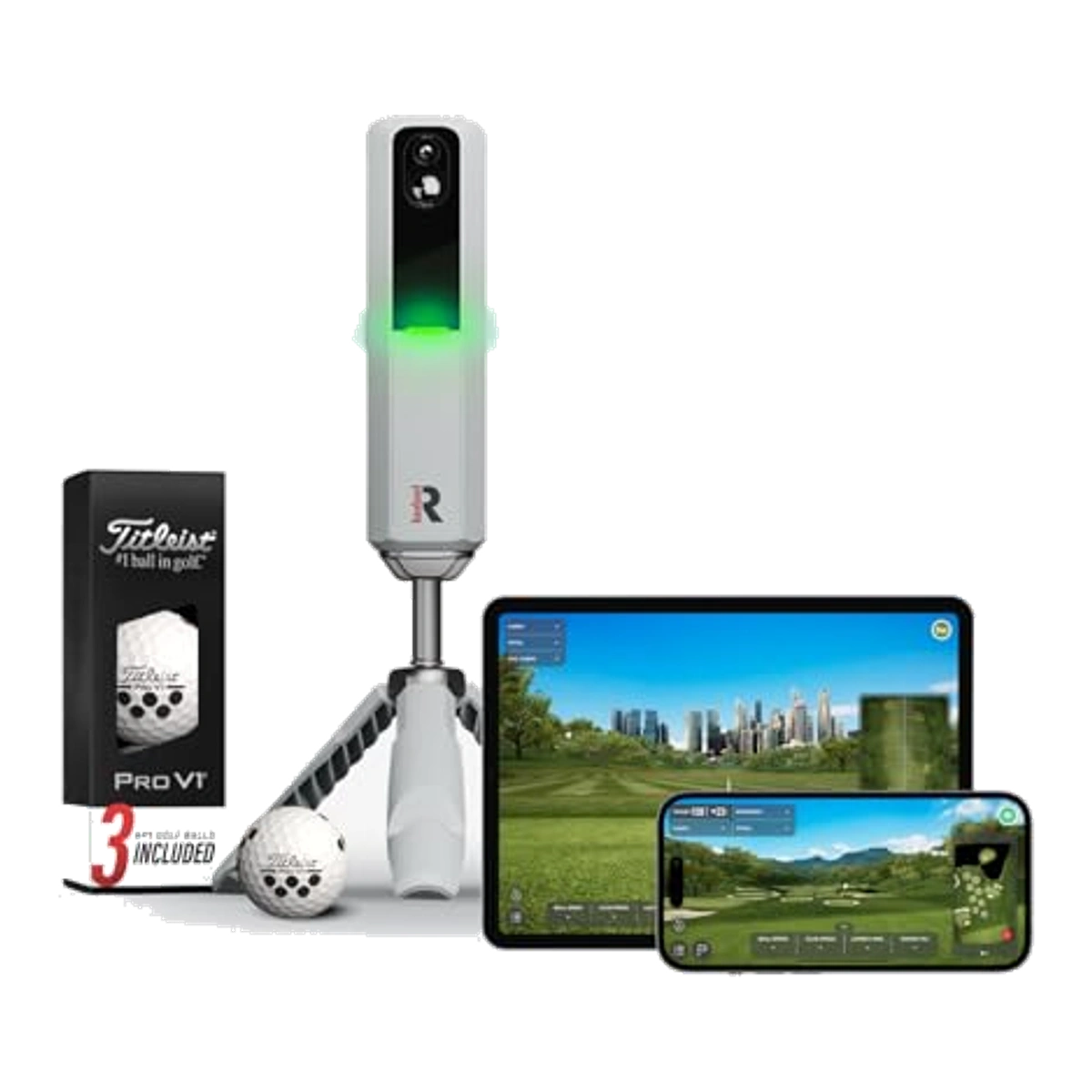
Rapsodo MLM2PRO
More detailed visuals and data when a net alone is not enough feedback.
-
Best forgiving hitting surface9.1score
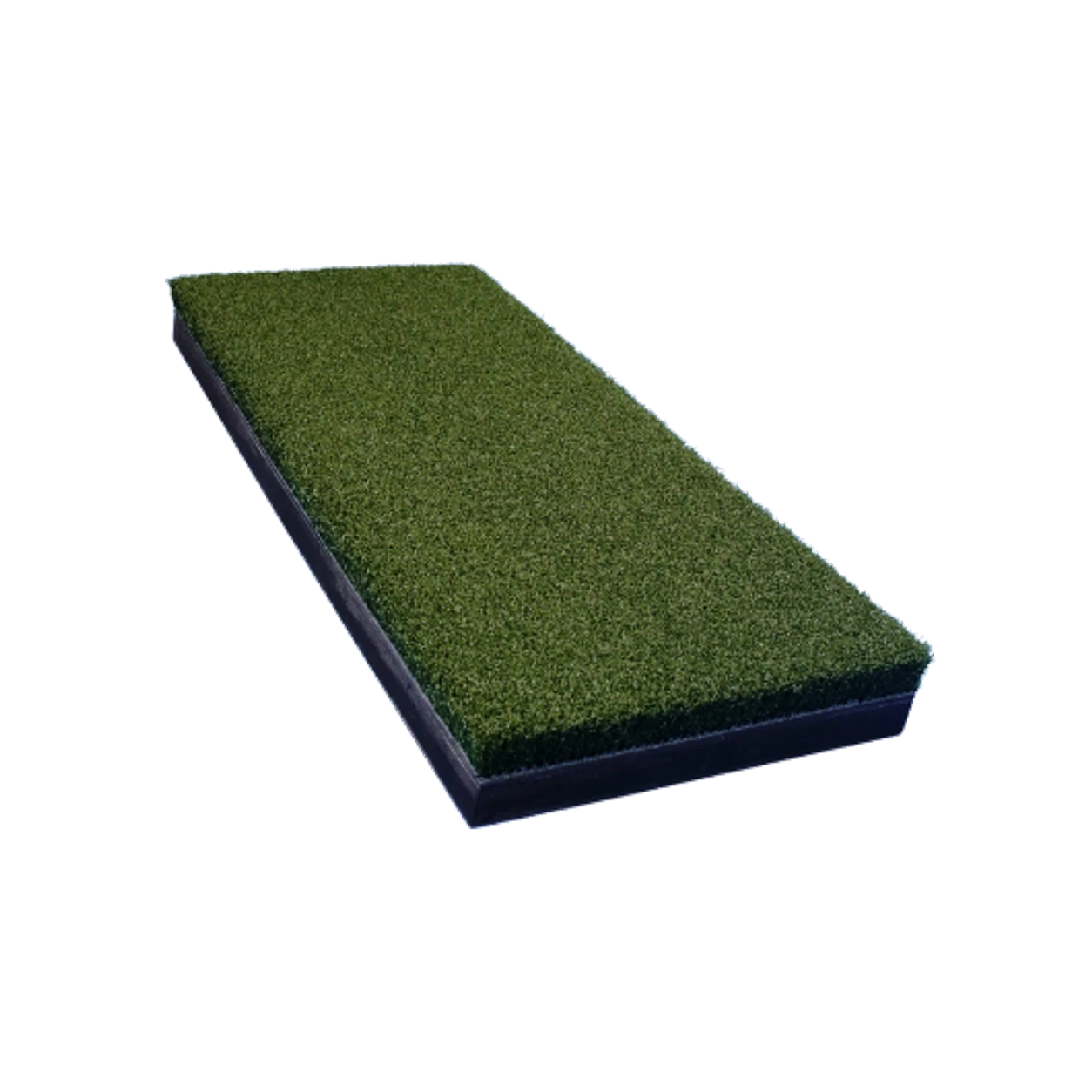
SIGPRO Softy Hitting Mat
A softer practice mat for golfers planning regular indoor sessions.
-
Best walking-round practice companion8.7score
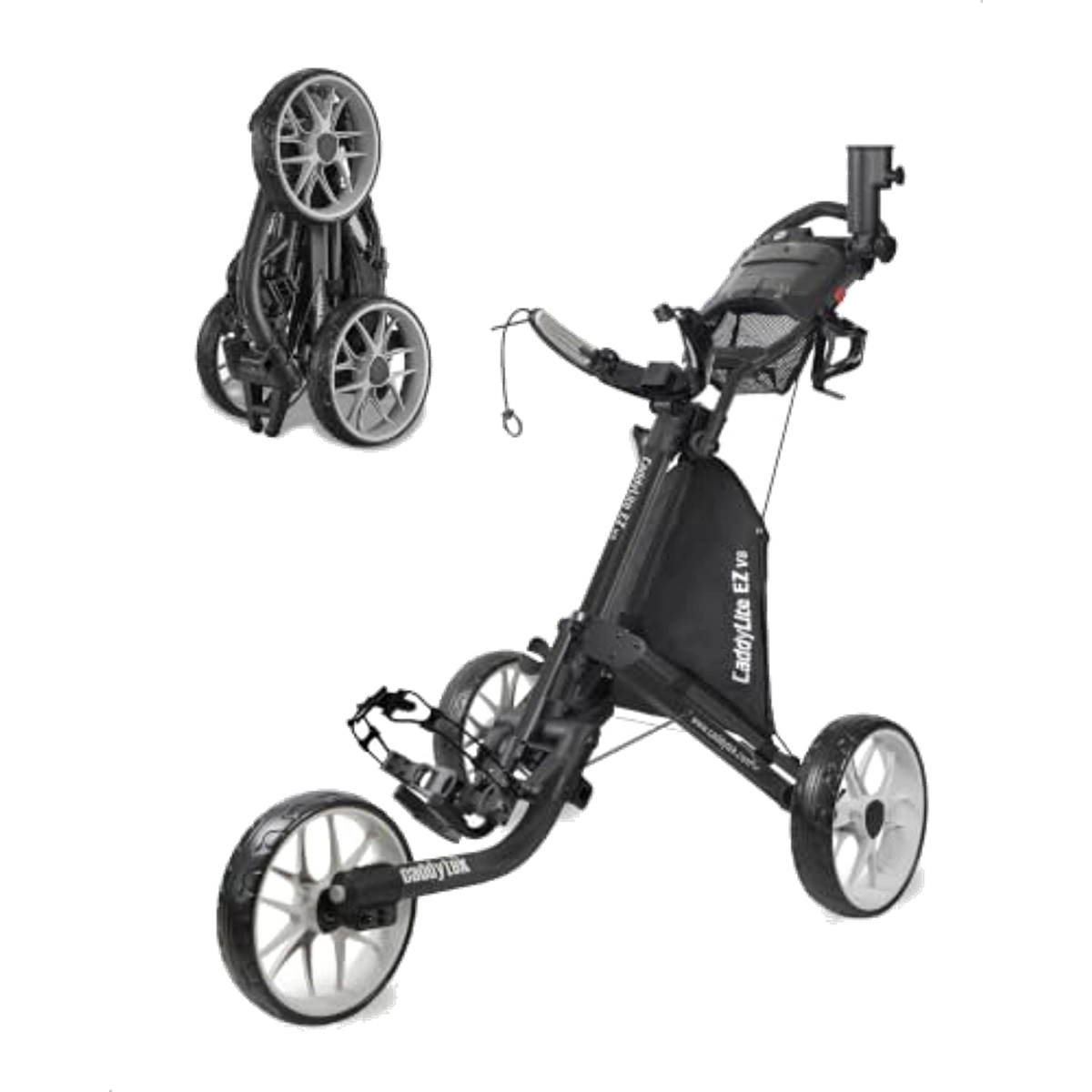
CaddyTek Caddylite EZ V8 Push Cart
A lightweight push cart that makes it easier to choose walking practice and play.
-
Best premium practice ball8.9score
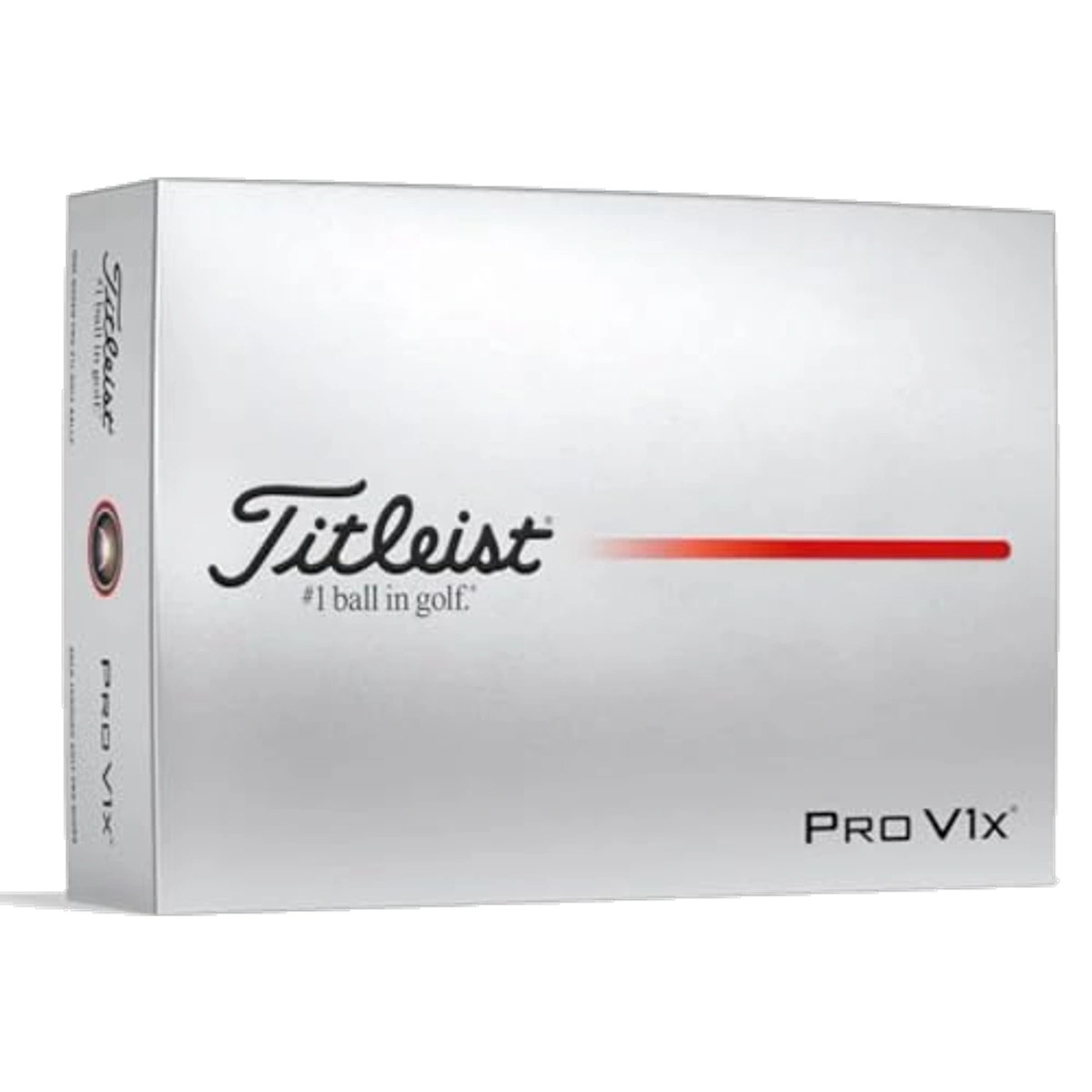
Titleist Pro V1x Golf Ball
A consistent ball for golfers who want practice results to carry onto the course.
-
Best on-course distance feedback8.4score
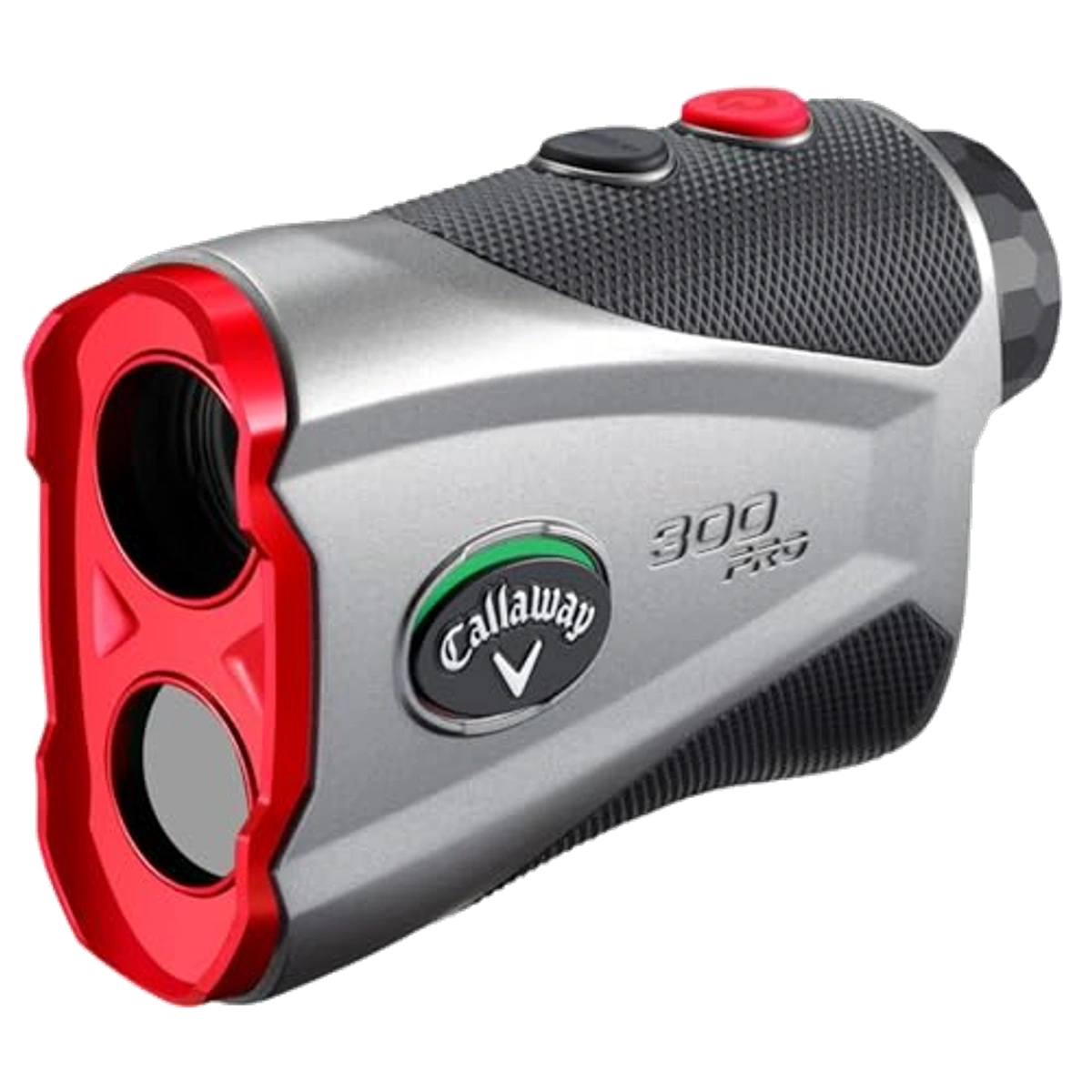
Callaway 300 Pro Rangefinder
A simple laser for turning course practice into better club-selection decisions.
Picks are ordered by fit, not by payout. Brand-direct prices show the date we checked them; Amazon prices change too often to print, so those links open the live listing. Buying through a link may earn GolfTested a commission and never changes a score.
These picks are drawn from the reviews already published on GolfTested: manufacturer specifications, independent testing from across the golf equipment world, and long-term owner feedback, scored on one rubric. It is not presented as a GolfTested lab shootout.
Home practice only works when the setup makes repetition easy and the feedback makes repetition honest. A net can save the drive to the range, a mirror can expose an alignment habit, and a launch monitor can show whether a better-looking swing actually changed the ball. None of them is magic on its own.
This list is organized by the job each product does. Choose the first problem you want to solve, then add the next layer only when the routine is being used. Prices and Amazon variants move, so confirm the live model, size, hand, and bundle before checkout.
The Top 10
1. Orange Whip: best premium tempo trainer
The Orange Whip review is for golfers who get quick in transition or want a reliable warm-up before the range. The counterbalanced flexible shaft gives feel feedback without adding another screen to the practice area. It is expensive for a warm-up tool, but it has a clearer purpose than most novelty trainers.
2. SKLZ Gold Flex: best value warm-up tool
The SKLZ Gold Flex review covers the practical alternative. It is less refined, but its short-session routine, two length options, and low price make it easy to keep in the bag. This is the sensible first purchase if you want a tempo cue rather than a full training program.
3. Putting Mirror Pro Kit: best putting alignment feedback
The Putting Mirror review is the reminder that the most expensive tool is rarely the first one to buy. A mirror gives you a visible check on eye line, face alignment, and setup. It will not teach speed control, so pair it with a start-line and distance routine.
4. GoSports Practice Net: best home hitting-net value
The GoSports Golf Practice Net review is the pick for golfers who have a safe garage or backyard space. The two footprint choices make it easier to match the net to the room, but you still need side clearance, overhead room, anchoring, and regular mesh inspection. The net is a target, not a guarantee against a shank.
5. Garmin Approach R10: best budget launch monitor
The Garmin Approach R10 review makes sense when you want range trends and a first home simulator layer. It turns a net session into a more useful practice block, but treat indoor numbers as context and look for repeatable patterns rather than chasing a single reading.
6. Rapsodo MLM2PRO: best data upgrade for a home setup
The Rapsodo MLM2PRO review is for golfers who want more visual feedback and are willing to spend more time on setup. It is a better fit for a dedicated practice corner than for a device that will be moved every day. Check the current software and membership terms before buying.
7. SIGPRO Softy: best forgiving hitting surface
The SIGPRO Softy mat review belongs on the list because the hitting surface changes how willing you are to practice. A mat that feels harsh or punishes repeated swings can shorten sessions. Match the mat to the room, stance, and amount of use rather than buying on thickness alone.
8. CaddyTek EZ V8: best walking-round companion
The CaddyTek Caddylite EZ V8 review is not a swing aid, but it supports a better kind of practice: walking more rounds and seeing more real shots. The two-step fold and storage features make that choice easier for golfers who do not want an electric cart.
9. Titleist Pro V1x: best premium practice ball
The Titleist Pro V1x review is a deliberate choice for golfers who want the ball they practice with to behave like the ball they play. If you are still losing several balls a round, buy a less expensive option or use a fitting session before committing to premium dozen-after-dozen pricing.
10. Callaway 300 Pro: best on-course distance feedback
The Callaway 300 Pro review is useful because practice continues onto the course. A quick, simple laser helps you connect carry numbers to real targets without adding an app, subscription, or another complicated workflow.
How to build a practice setup in the right order
Start with the constraint that can hurt you: space and safety. Measure the ceiling, side clearance, depth, and mat position before buying a net. If the room is not safe, use a range or a putting setup instead.
Next, add feedback. A mirror, video, or launch monitor should answer one question during a session. “Did the face start square?” is a better prompt than “Did I hit one good shot?” Keep the drill short enough to repeat and write down the result before changing equipment.
Finally, make the setup pleasant to use. A cart, better mat, spare glove, or convenient ball supply can remove small frictions that stop a good routine from becoming a habit. The best practice product is the one that is ready when you have twenty minutes.
How we chose these picks
These picks combine current manufacturer specifications, independent comparisons, controlled testing patterns, and recurring owner feedback into an Expert Consensus view. We do not present a manufacturer claim or a reviewer dataset as a GolfTested hands-on measurement. Prices, variants, stock, and software terms can change.
Frequently asked questions
What is the best golf practice gear for a beginner?
Start with one feedback tool and one repeatable practice surface. A putting mirror, an inexpensive swing trainer, or a simple net can be more useful than buying a full simulator before you know how you practice.
Is hitting into a net as good as going to the range?
A net is excellent for convenient repetitions, but it hides ball flight. Pair it with face spray, video, or a launch monitor so you can tell whether the ball started and curved the way you intended.
Do golf training aids really work?
The useful ones give you feedback you can act on. They cannot replace a coach or deliberate practice, and a tool aimed at tempo will not diagnose every face-control problem.
Do affiliate links change these rankings?
No. Affiliate availability determines whether we can provide a convenient buying link; the score and best-for recommendation are based on the product's fit and trade-offs.